
Salaries are going in job adverts: Why your benefits now have to work harder

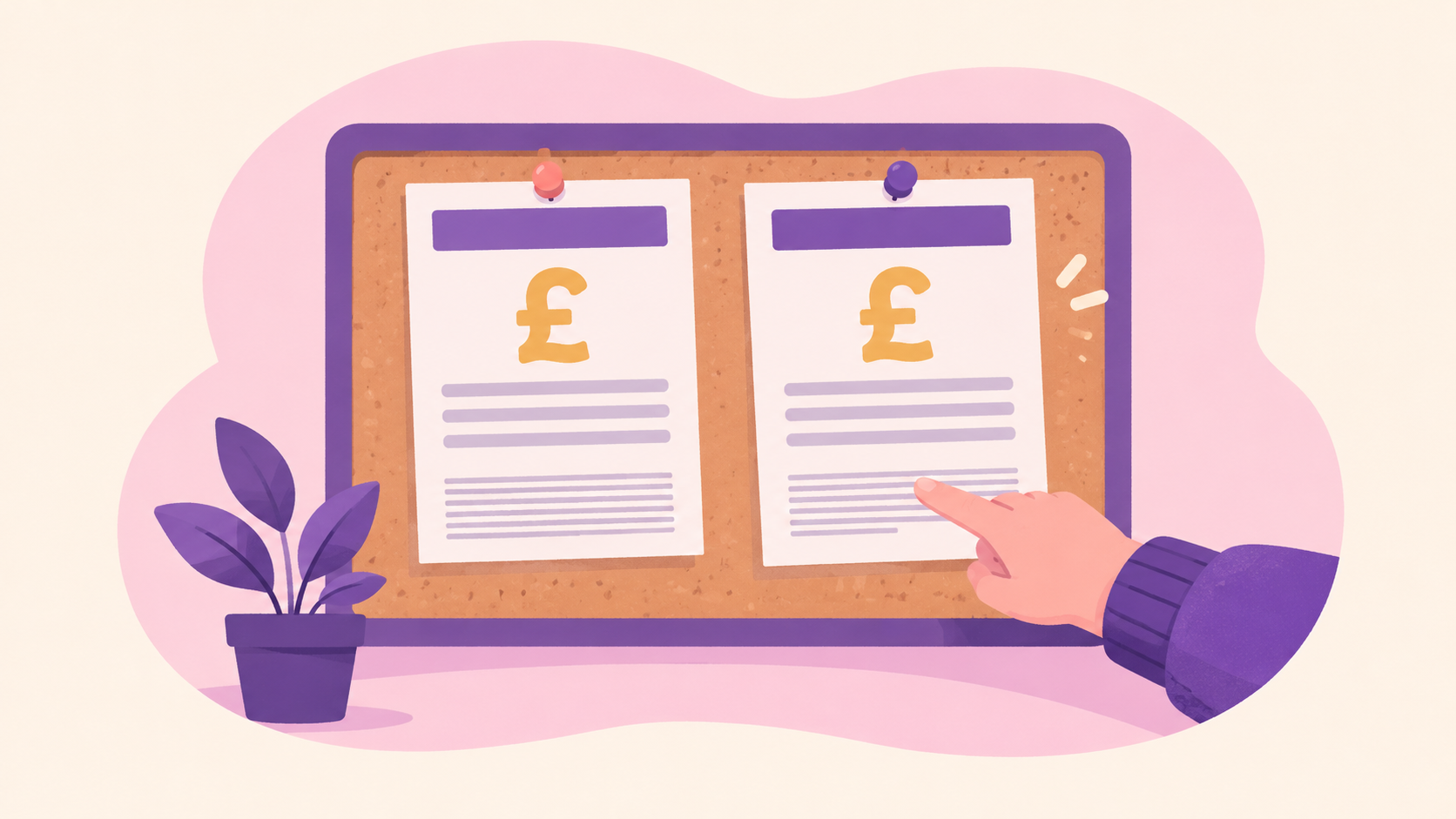
"Competitive salary." Two of the hardest-working words in recruitment. For years they've propped up job adverts while saying almost nothing at all.
Their retirement has just been announced.
On 6 November, the government said it will make employers publish salaries in job adverts. No more "depending on experience", no more vague ranges that could cover two completely different jobs. Candidates will see what you pay before they decide whether to apply.
For reward teams, that's a pay band project. But there's a second change coming with it. When every employer's salary sits in plain sight, candidates stop asking "what do they pay?" and start asking "what else do I get?"
That's where your benefits come in. And financial wellbeing benefits, in particular, are about to matter more than they ever have.
What's changing with salary transparency in job adverts?
The government plans to introduce a law requiring employers to include salary information in every job advert. No start date has been announced yet, but early analysis of the consultation showed 94% support, including 93% of business respondents, so it's a question of when, not if.
For plenty of employers, it's a big shift. CIPD research found that 41% of employers always publish salary ranges in external job adverts, and only 18% always publish specific salaries. Everyone else will need to get comfortable showing their numbers.
The detail will come with the legislation. In the meantime, the sensible move is to get your pay bands in order. It's also a good moment to look at the rest of what you offer, because candidates are about to.
When pay is public, what makes the difference?
Picture two adverts for the same role, side by side. Same title, same location, salaries within a few hundred pounds of each other. What tips it?
Sometimes it's flexibility. Sometimes it's the commute. But increasingly, it's whether the job makes someone's life feel a bit more manageable, not just better paid on paper.
That matters because money stress is everywhere right now. Last week the Bank of England raised interest rates for the first time in more than three years, and households are bracing for higher energy bills in January. People aren't only comparing salaries. They're comparing how secure each job would make them feel.
Salary gets someone to read your advert. What sits underneath it helps them decide to apply, and to stay.
Salary tells you what people earn. Not whether they're okay.
Here's something that might surprise you: A higher number in the advert doesn't automatically mean a less stressed person in the job.
Our 2026 Elephant in the Room report found the same figure at opposite ends of the pay scale: 53% of employees earning under £40,000 say they're just managing, tight or struggling, and 53% of those earning £100,000 or more have no emergency fund, are living on credit or are behind on a bill.
And it doesn't stay at home. Among those £100,000+ earners, 30% have considered quitting because of money.
So while pay transparency will make salaries easier to compare, it won't tell you whether your people are okay. A pay rise can disappear into a mortgage that's just gone up. A senior hire can look comfortable and be juggling three credit cards.
The benefits that actually help are the ones that make everyday money easier to manage, at every pay band.
Financial wellbeing benefits you can actually put in a job advert
The good news: some of the most useful financial benefits are also the easiest to explain in a line or two. They're concrete, they make sense to people straight away, and they show you've thought about real life.
A few examples:
- Access to pay you've already earned. For the boiler that breaks on the 19th, or the car repair that won't wait until payday. Earned wage access gives people a safety net that isn't an overdraft or a payday lender.
- Saving that happens automatically. A little set aside every payday, without anyone having to remember, builds the kind of buffer that stops a surprise bill becoming debt like Auto Savings.
- Help to get more into a pension. In the public sector, Shared Cost AVCs let Local Government Pension Scheme (LGPS) members top up their pension straight from salary, with Income Tax and National Insurance relief helping it go further.
- Someone to ask. Financial education and coaching people can use privately, at a time that suits them.
None of these replaces fair pay. They work alongside it, and candidates can see exactly what they mean.
Get ready before the law does
You don't need to wait for the legislation to start. A few small steps now will make the change much easier:
- Check your pay bands are ready to publish. If a range is wide enough to raise eyebrows, it's worth tightening now.
- List what you offer beyond salary. Then ask whether a candidate reading your advert would understand it, or even notice it.
- Look for the gaps. If your benefits help people with retirement but not with the gap between paydays, that's worth knowing.
- Write benefits the way people talk. "Access your earned pay before payday" lands better than "flexible remuneration solution".
If budget is the sticking point, check our latest webinars to find out how employers are offering real support without a big spend.
The words that matter most will be the ones after the salary
Pay transparency will make every advert a bit more honest. That's good news for candidates, and for employers who already pay fairly.
It also means "competitive salary" can't do the heavy lifting any more. What you offer beyond the number will need to work harder, and the employers who've thought about everyday money will stand out.
Want to see how On-Demand Pay, Auto Savings and Shared Cost AVCs could sit in your next job advert? Book a demo and we'll show you how it works for your people, and your payroll team.
FAQ
Will employers have to put salaries in job adverts in the UK? Yes, the government has announced plans to make it a legal requirement. Legislation is expected to be introduced, but no start date has been confirmed yet, so keep an eye on GOV.UK for the details.
Do employers have to show a salary range or an exact figure? That will depend on the final legislation. Many employers already publish a range, and a narrow, realistic range is likely to be clearer for candidates than a very wide one.
What benefits help attract candidates when salaries are public? Benefits that make everyday life easier tend to stand out, such as flexible working, help with saving, access to pay already earned and support with pensions. The key is describing them in plain words candidates instantly understand.
Is earned wage access a loan? No. Earned wage access lets employees access part of the pay they've already earned before payday, and the amount is deducted from that month's pay through payroll. There's no borrowing and no interest.